PEDAGOGY
THEATRE EDUCATION ON PURPOSE
At the heart of every great performance is intentional directing and mentorship. I am deeply committed to intentional theatre education that inspires, equips, and empowers students to thrive—not just on stage, but in life. By modeling dedication, empathy, and excellence in my teaching, I aim to create a ripple effect: nurturing confident, thoughtful artists who will, in turn, foster positive change in their communities.
IT'S CALLED A PLAY ... SO, PLAY!
Theatre is serious work—but joy is essential. I believe that pursuing excellence in the arts should never come at the expense of playfulness, curiosity, and delight. By making space for laughter, experimentation, and risk-taking, we cultivate creativity that is both rigorous and joyful, reminding ourselves and our students that theatre is meant to be lived, felt, and celebrated.
TEACHING PHILLOSOPHY & CLASSES
My teaching philosophy emphasizes social-emotional learning, student-led exploration, and project-based engagement. I strive to create equitable classrooms where students take ownership of their growth, collaborate meaningfully, and discover their voices through hands-on creative practice.
Some classes I have taught include:
- Scene Work & Scene Study
- Improv & Advanced Improv
- Acting 101 & Introduction to Acting
- Physical Theatre Acting
- Character Study
- Advanced Acting
- Shakespeare
- Auditioning & Directing 101
- Introduction to Improv
I design each course to balance skill development with creative freedom, ensuring that students not only master technique but also build confidence, empathy, and a lifelong love of theatre.
POSITIONALITY STATEMENT
I approach theatre, pedagogy, and applied arts from a perspective shaped by my identity as a cisgender woman, a lifelong multimedia artist, and a practitioner informed by a Christian worldview. My work is guided by a commitment to empathy, storytelling, and creating spaces where complex conversations can unfold with care. I believe theatre is a tool for connection, education, and community-building, and should be accessible, inclusive, and rooted in the dignity of every person.
I recognize that my experiences—growing up white and upper-middle class, navigating creative and secular spaces as a Christian—shape my assumptions and perspective. I aim to actively center voices and experiences that have been historically marginalized, and I approach all dialogue with sensitivity, curiosity, and accountability.
As an educator and facilitator, I hold the responsibility of shaping inclusive learning environments. I prioritize social, cultural, and lived experiences in discussions, fostering spaces where all students can contribute, learn, and be seen. I commit to ongoing reflection, course correction, and amplification of diverse voices to ensure equity, inclusion, and respect remain central in every classroom and creative space.
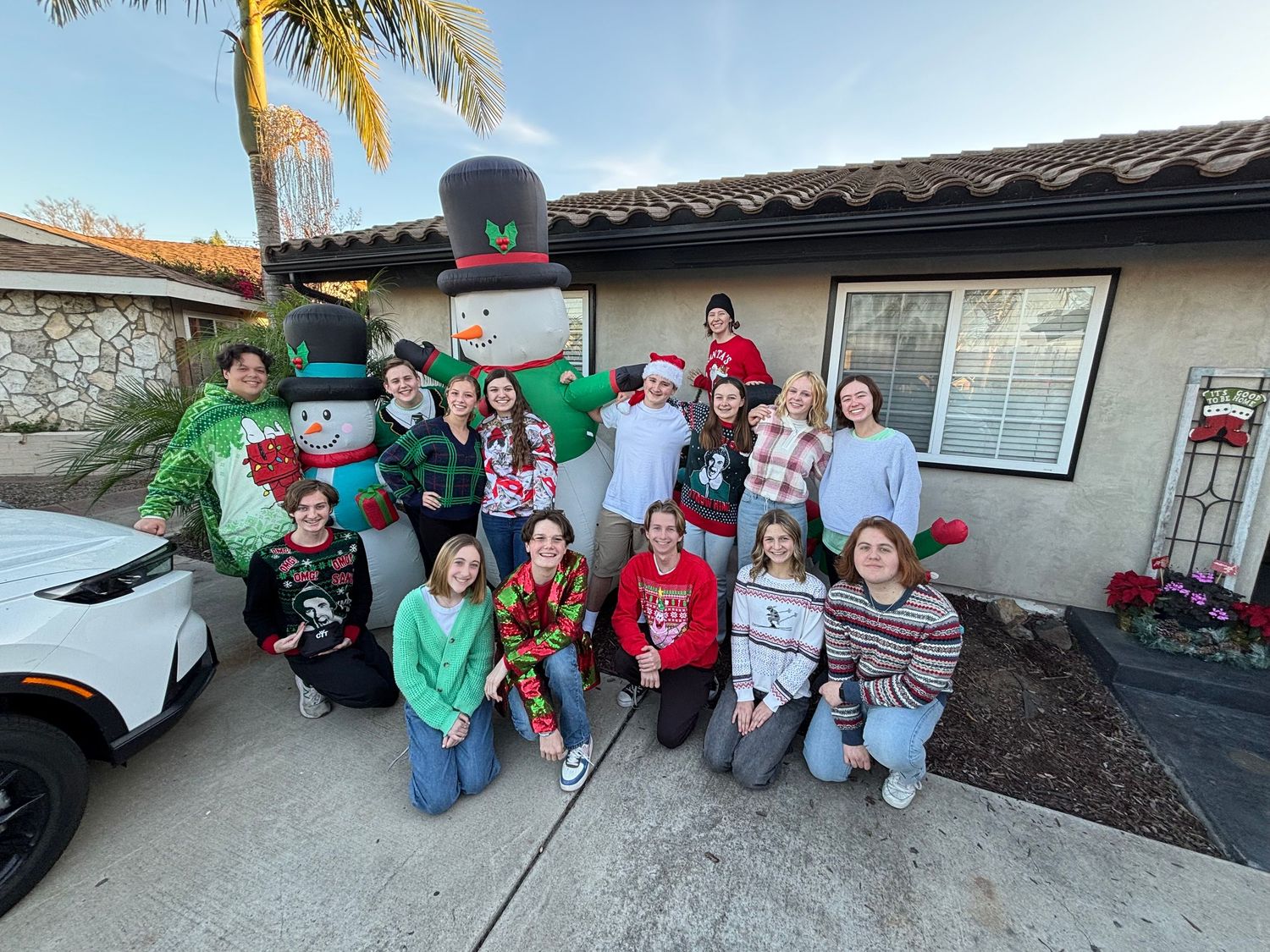
The High School Theatre Leadership Team I Oversaw
AI & CREATIVITY STATEMENT
“Cognition is beautiful.” John M. Hull, Notes on Blindness
In our modern world, the use of AI is increasingly common, and it presents both opportunities and responsibilities. While generative AI can be a useful tool, my work and courses prioritize human cognition, creativity, and lived experience as central to learning and artistic practice.
Students may use AI only as explicitly approved, with careful reflection and proper citation. Assignments that encourage AI use will clearly specify how it can be incorporated, while all other uses must follow academic honesty policies. The goal is not to restrict technology, but to ensure that your ideas, insights, and collaboration remain at the forefront.
All course materials and creative content I produce are my own unless otherwise cited. When AI is used in my work, I will explicitly note its contribution. My approach encourages critical engagement, thoughtful reflection, and collaboration with real human peers, emphasizing that technology is a support, not a replacement, for the rich, lived intelligence that each student brings.