Dramaturgy Note
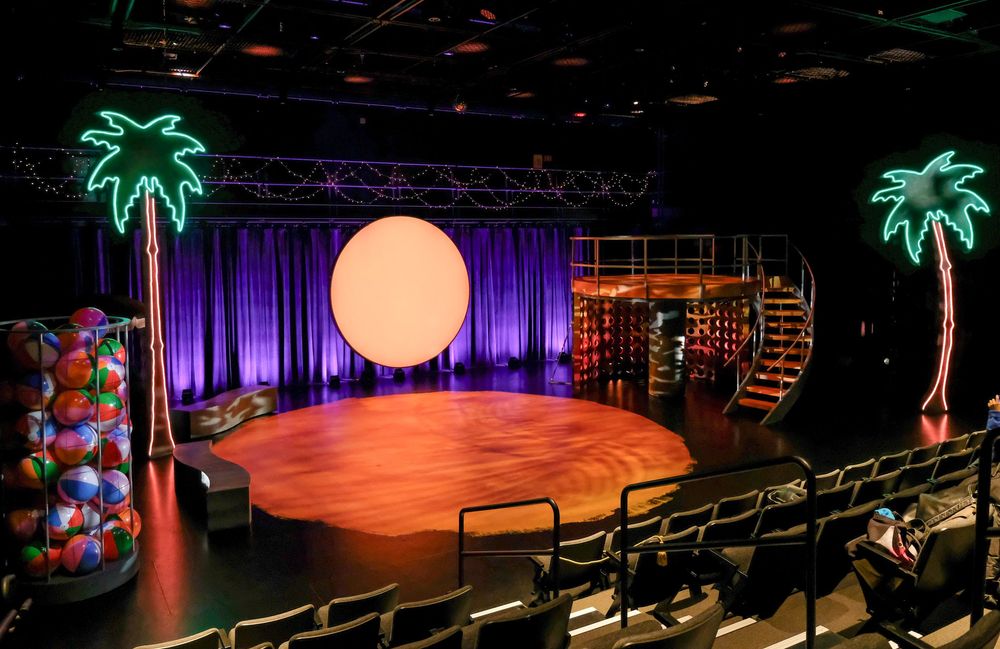
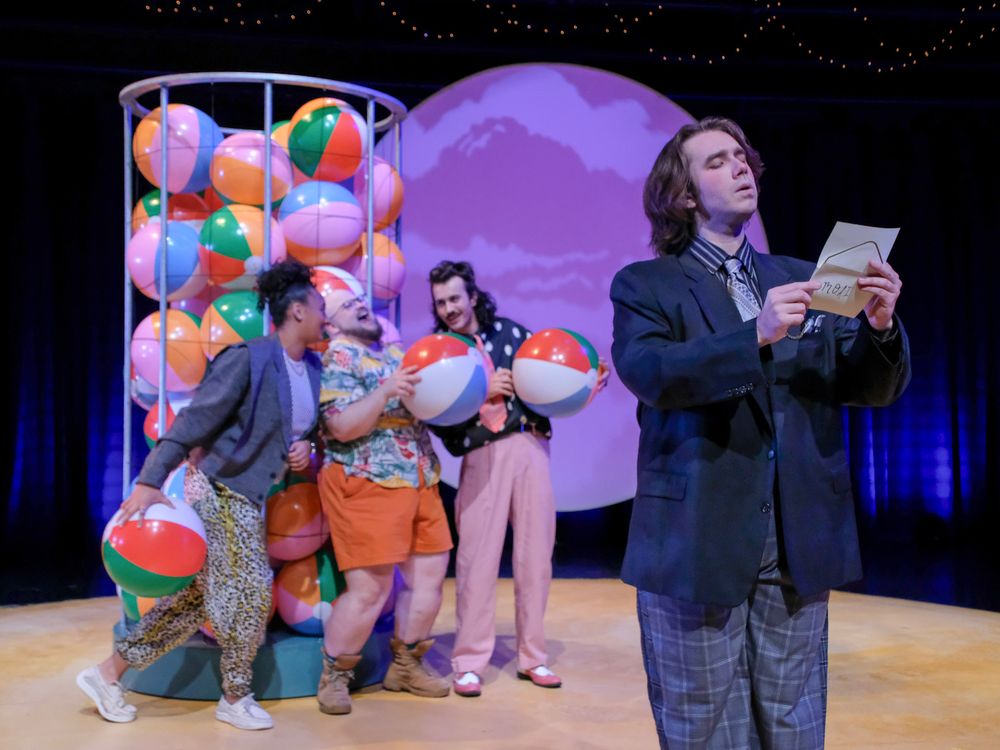
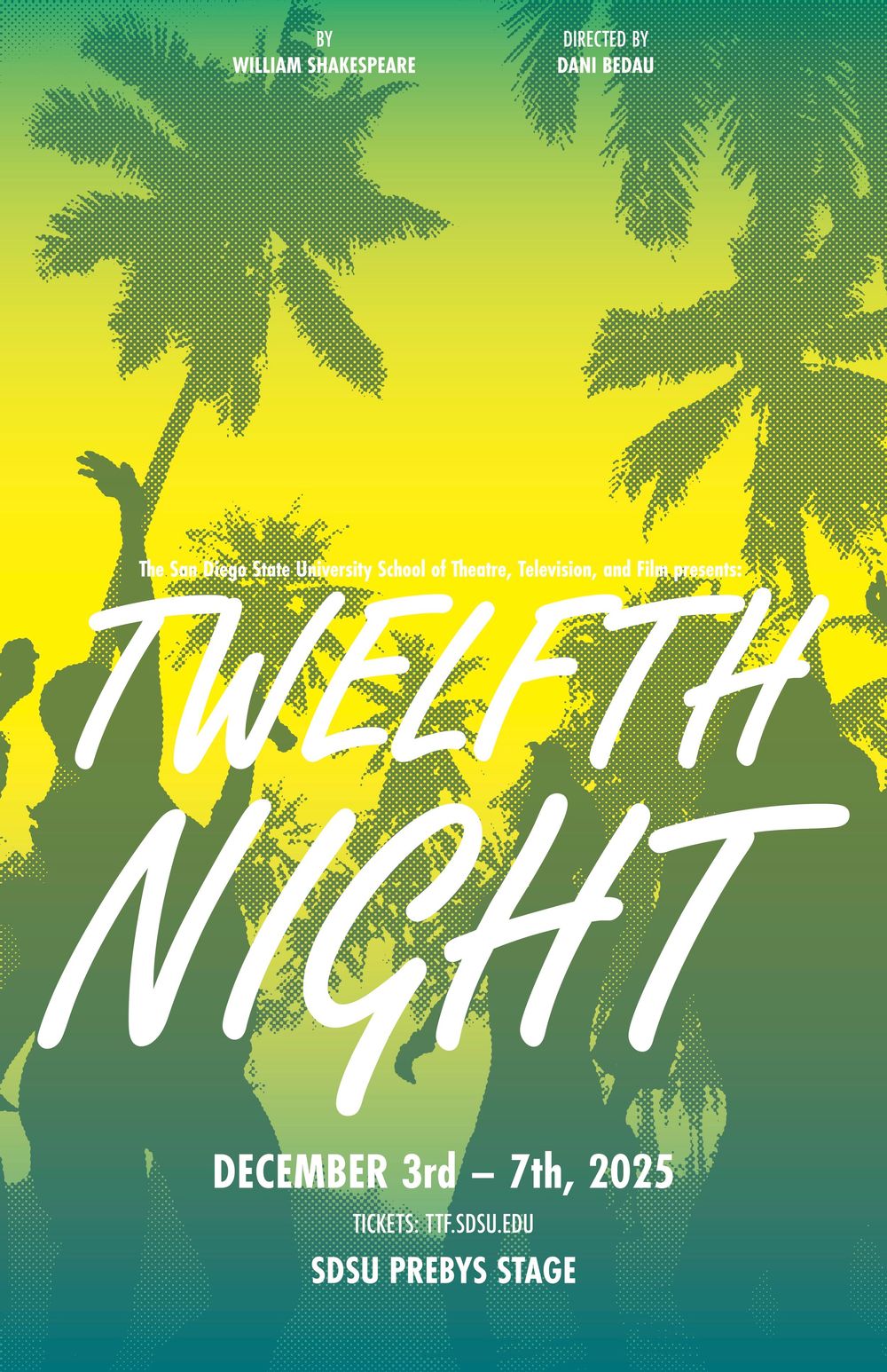
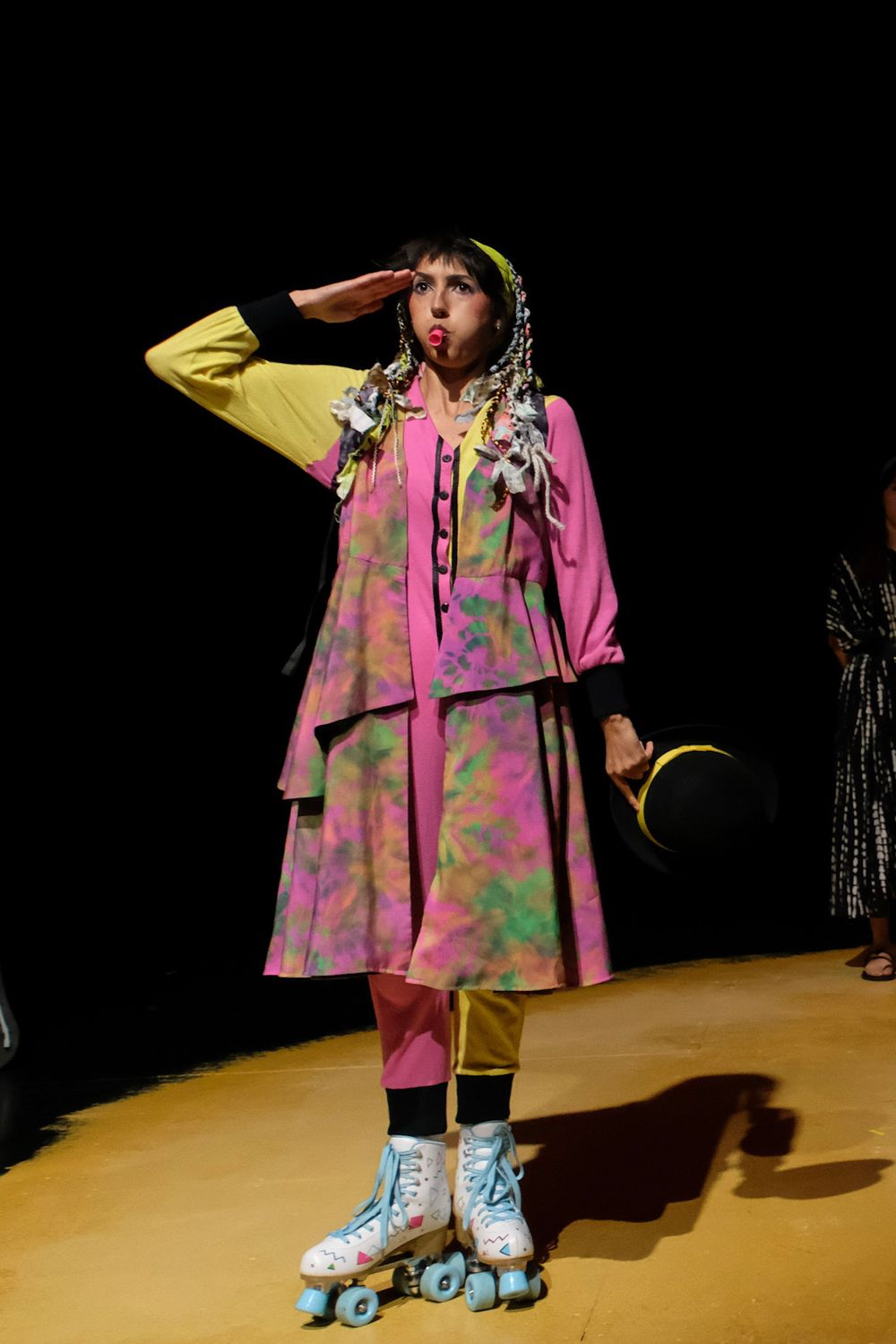
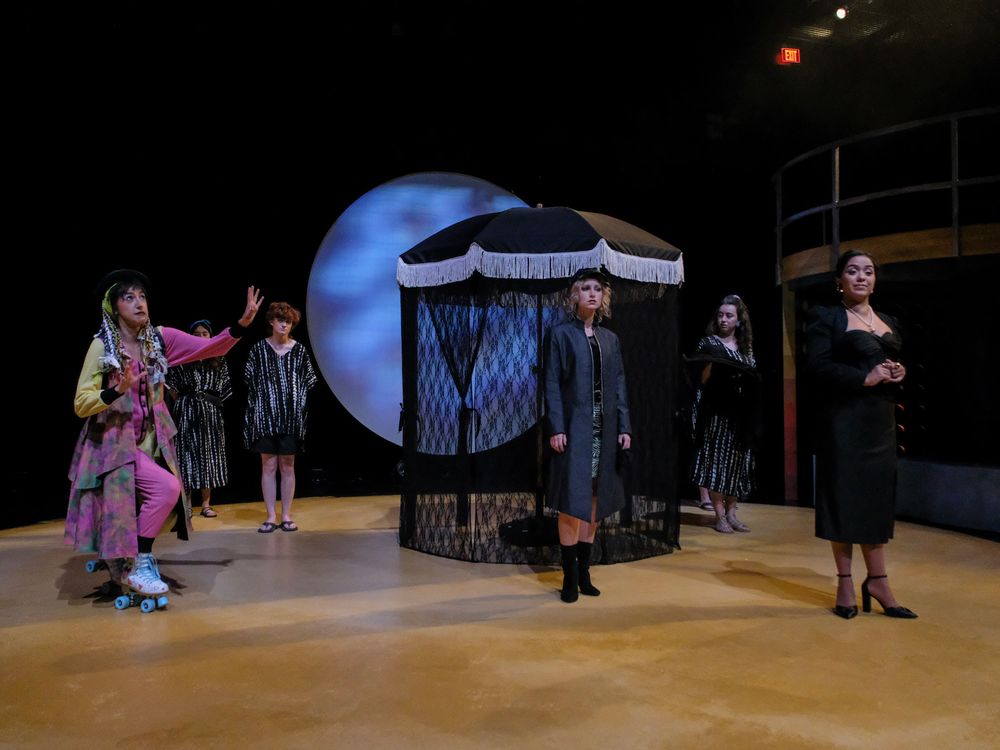
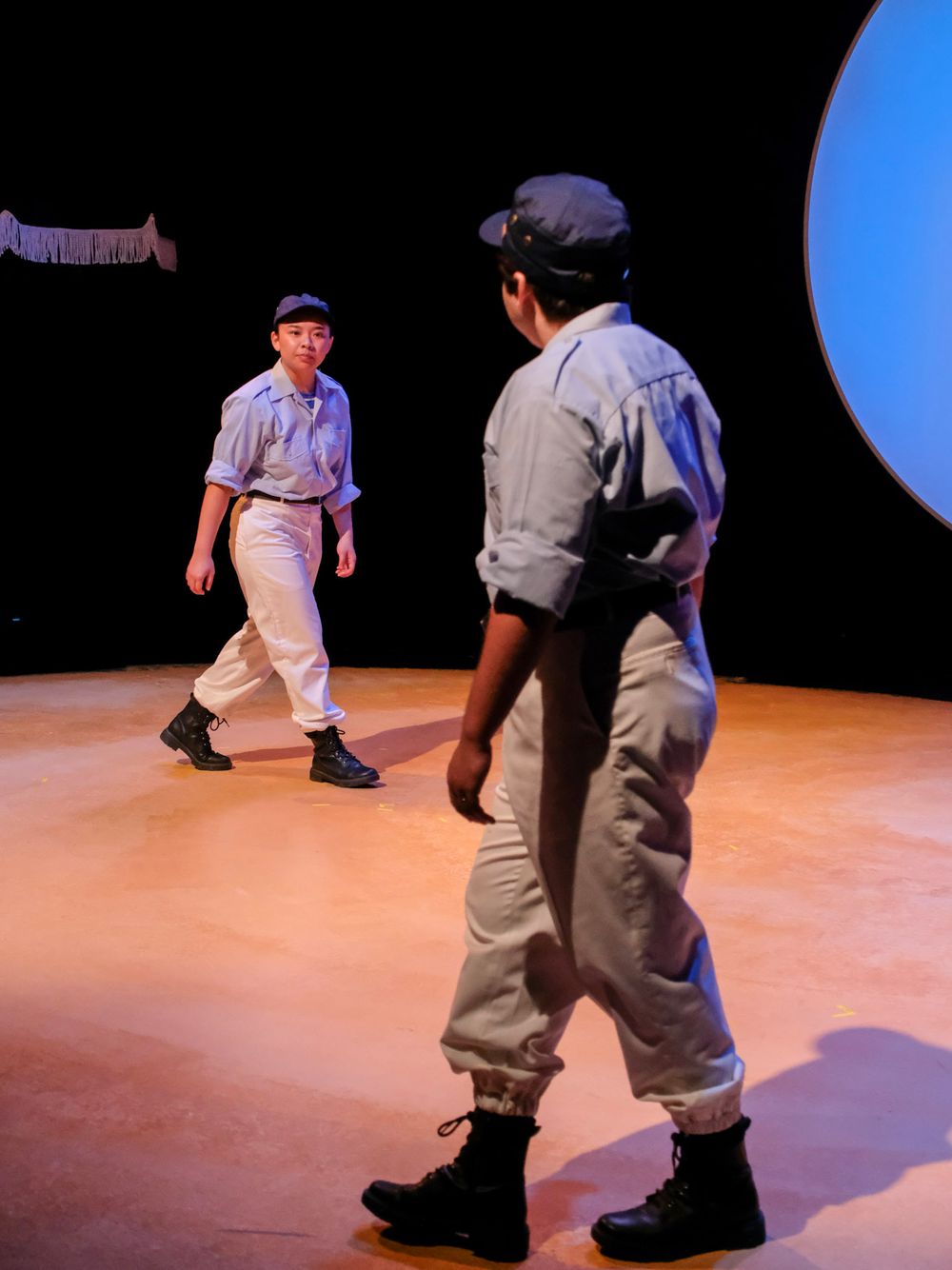
Our production of Twelfth Night reimagines Shakespeare’s Illyria as 1980s a sun-drenched island community defined by postcard beauty, naval formality, and an illusion of perfection. This re-setting is not simply a change of scenery but an exploration of the contradictions within paradise: the tension between what is seen and what is felt, what is performed and what is real. The 1980s, with their cultural obsession with image, glamour, and reinvention, provide a natural framework for Shakespeare’s world of disguise and transformation.
In this production, Illyria, a place where people escape to, a place softened by sun, music, and the ocean breeze, yet charged with longing and hidden vulnerability. It is a community that projects effortless charm through beach parties and neon nightlife, but beneath the surface lie unspoken griefs and private desires. The play’s questions of identity, appearance, and emotional truth find a striking mirror in a decade that celebrated self-expression even as it masked loneliness behind excess.
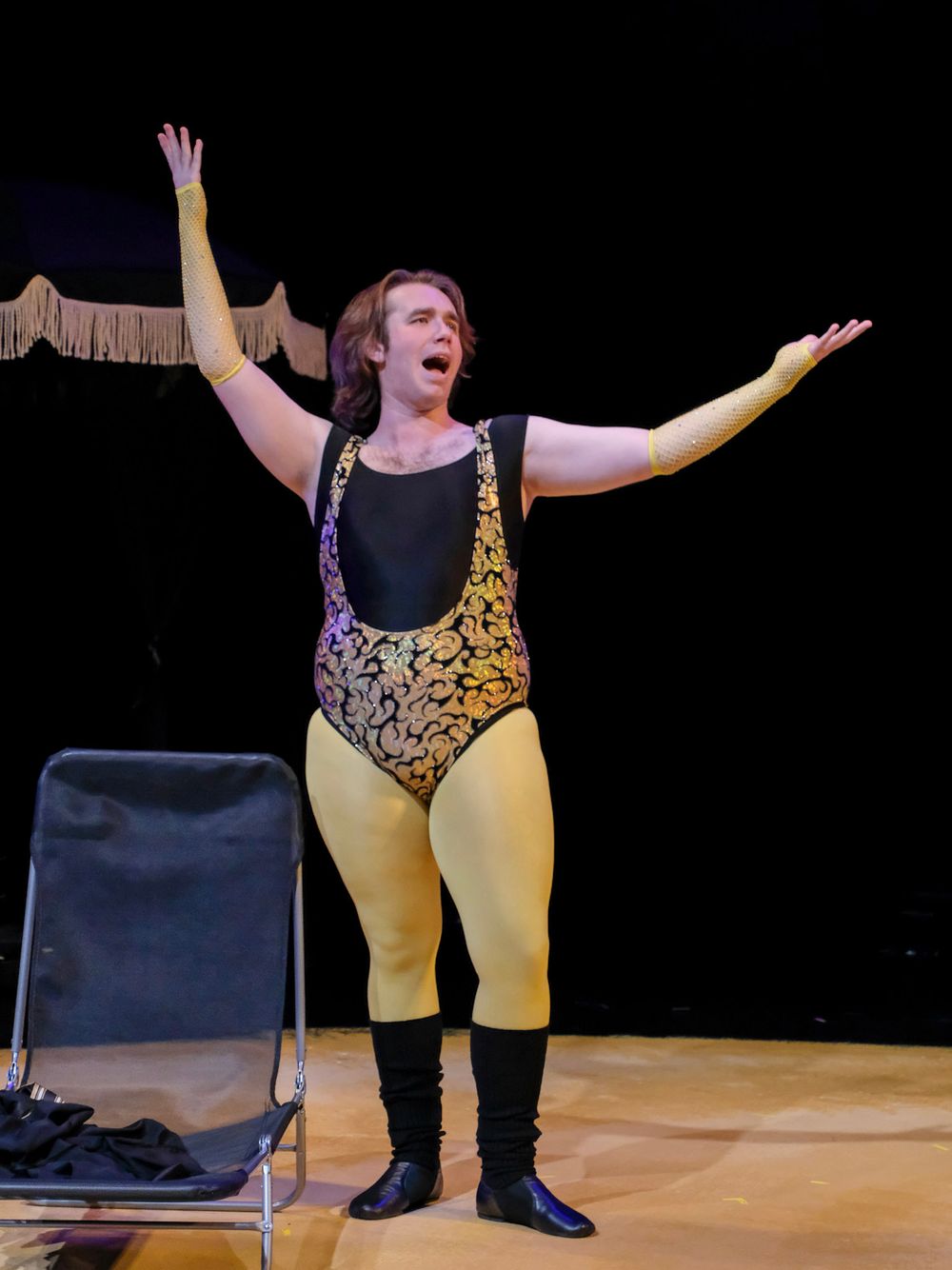
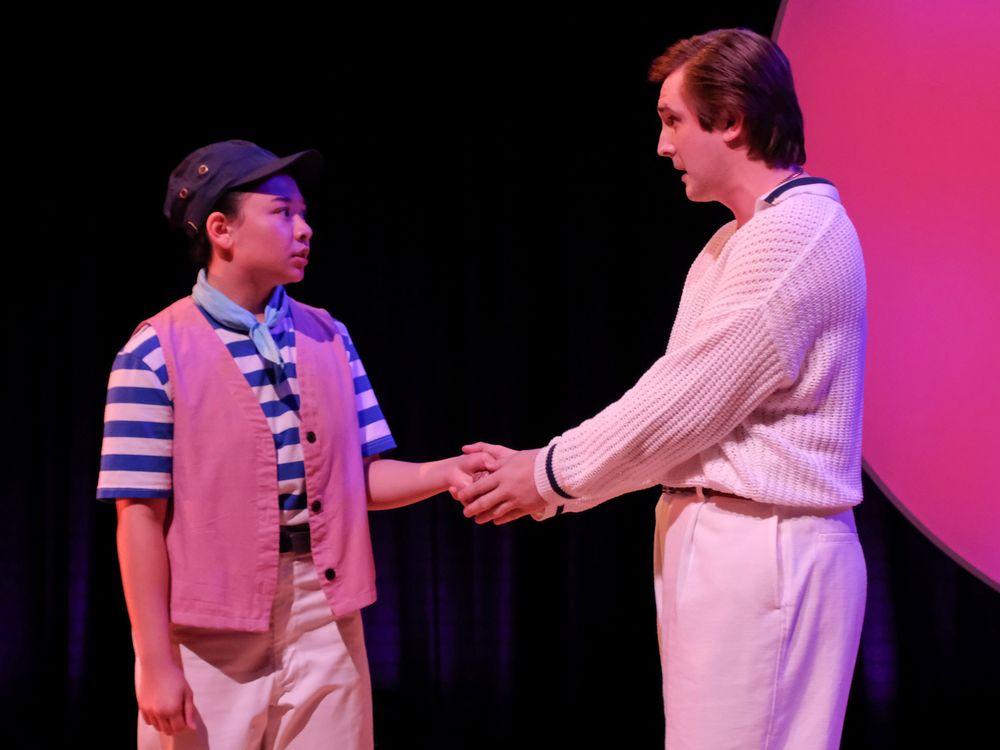
The production embraces the dualities of both Shakespeare’s text and its new setting. The tension between melancholy and joy, grief and celebration, illusion and revelation runs through every beat of this story. Orsino’s court becomes a haven of indulgence and escapism, where music and excess serve as temporary shields against dissatisfaction. Viola’s disguise as Cesario emerges not only as a means of survival, but as a reflection of how people reinvent themselves in unfamiliar places, an instinct that feels deeply human and timeless. Her transformation resonates within the context of the 1980s, an era defined by both personal reinvention and the performance of identity.
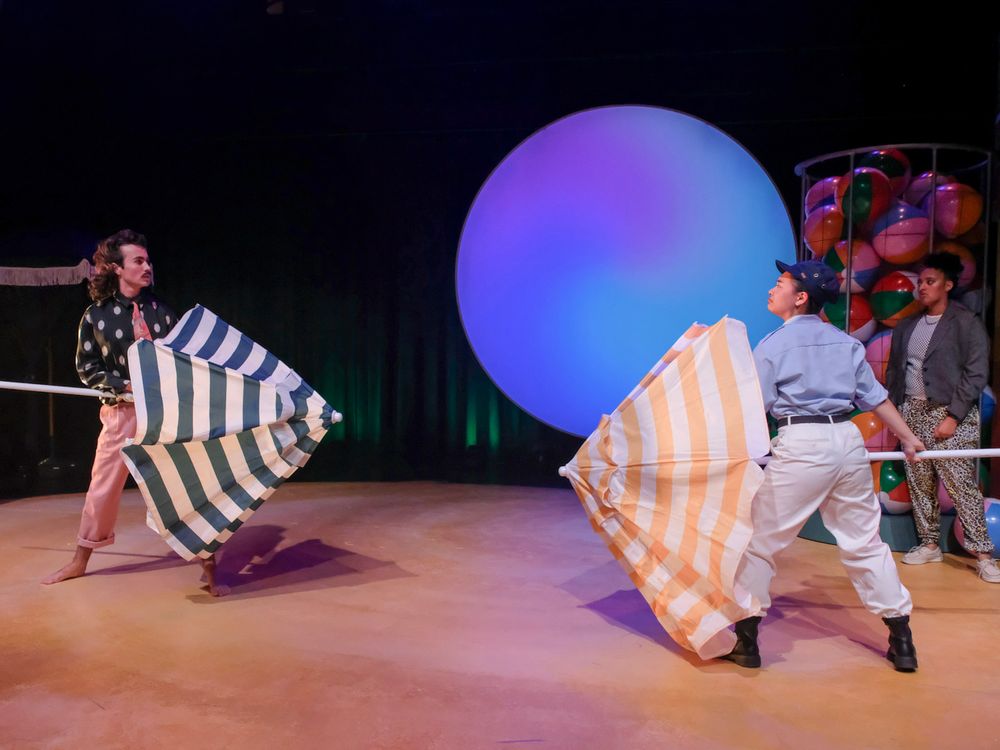
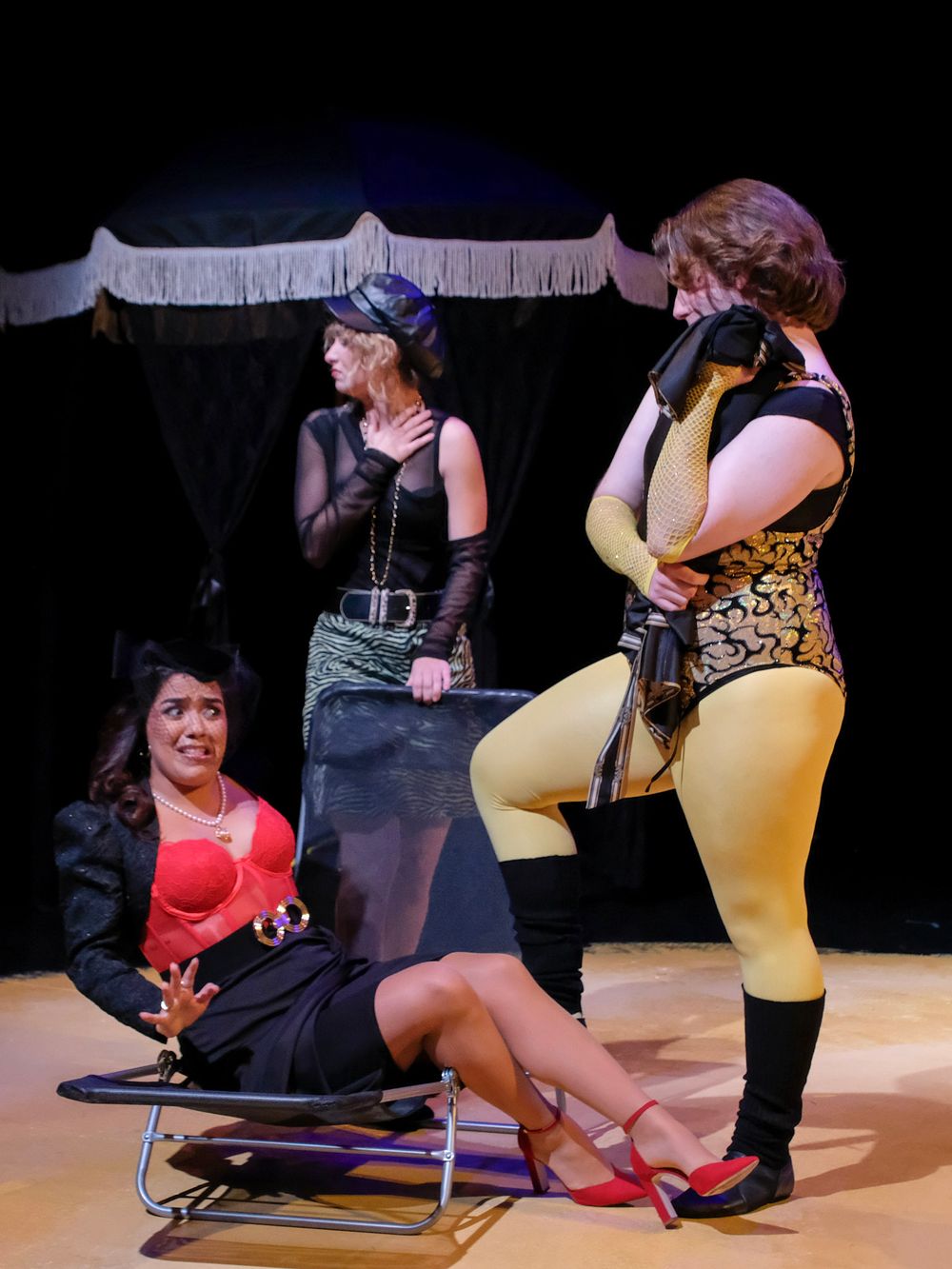
We see Olivia, isolated within her wealth and self-imposed mourning, dwelling in her pristine facade: orderly, composed, and seemingly untouched by hardship. Yet as love and confusion infiltrate her carefully maintained world, she too must confront the vulnerability beneath her control. Around these central figures swirl a cast of fools, revelers, and mischief-makers whose antics echo the social inversions of the Saturnalian spirit that originally inspired Shakespeare’s comedy. In the same way that Saturnalia allowed its participants to blur hierarchy and identity, Illyria becomes a playground for discovery, laughter, and liberation.
By setting Twelfth Night in this upbeat, music-driven world, we explore how people curate versions of themselves to survive, connect, and find joy. The 1980s setting provides not just an aesthetic, but a musical lens through which the play’s timeless exploration of love, loss, and self-understanding becomes immediate and vivid via the prolific music of the decade. Beneath the soundtrack of synths and the glow of neon lies a deeply human story, a reminder that even in the most glamorous of places, we are all searching for truth, connection, and the courage to be seen.